
Last updated:
Tortola scuba diving offers incredible underwater experiences for divers of all levels. The British Virgin Islands' largest island features protected reefs, shipwrecks, and abundant marine life. Warm waters and excellent visibility make Tortola an ideal diving destination year-round. You'll find professional dive operators, dive schools, and countless memorable sites within easy reach of Road Town.
The diving around Tortola combines natural beauty with fascinating history. Coral gardens stretch along the coastline. Tropical fish species fill every reef. Mysterious wrecks lie on the seafloor waiting for exploration. Whether you're learning to dive or seeking advanced challenges, Tortola delivers exceptional underwater adventures.
Best Dive Sites in Tortola
Tortola scuba diving reaches its peak at several outstanding locations. The Wreck of the RMS Rhone stands as the most famous site in the region. This 310-foot British mail steamship sank in 1867 during a hurricane. The wreck rests at depths between 20 and 80 feet. You can explore the ship's interior passages, engine room, and massive propeller. Stunning coral growth now covers the hull, creating a unique artificial reef habitat.
The Chikuzen offers another exceptional wreck experience. This Japanese refrigerated cargo ship sank in 1981 and now sits at 75 feet. The wreck attracts large schools of fish and occasional sea turtles. You can swim through cargo holds and admire the ship's dramatic structure. The site requires moderate experience due to depth and current.
Coral Gardens near Pelican Island showcases pristine coral formations. Shallow depths between 20 and 40 feet make this site accessible to most divers. You'll encounter brain corals, staghorn corals, and colorful sponges. Parrotfish and angelfish swim among the coral branches. The site offers excellent visibility and calm conditions most days.
Alice in Wonderland features dramatic underwater formations and tunnels. Located off Ginger Island, this site sits at 40 to 60 feet depth. Divers navigate through caverns filled with tropical fish. The site earned its whimsical name from the Alice in Wonderland book. The underwater landscape resembles a magical underwater garden.
The Painted Walls presents colorful sponge-covered rocks off Great Camanoe Island. The site offers depths from 30 to 60 feet. Purple tube sponges and orange elephant ear sponges dominate the landscape. Large groupers and snappers patrol the reef edge. The site features moderate currents and excellent for photography.
Indians Point combines a natural reef with small caves and overhangs. This site sits near Pelican Island at 35 to 50 feet deep. You'll find dense schooling fish and healthy coral formations. The point experiences varying currents, so check conditions before diving. The area offers good wildlife viewing opportunities.
PRO TIP: Book your dive sites one day ahead with local operators. They monitor weather, currents, and sea conditions daily. Morning dives typically offer better visibility and calmer seas than afternoon dives.
Scuba Diving for Beginners in Tortola

Starting your scuba diving journey in Tortola makes perfect sense. The island offers ideal conditions for learning. Warm water temperatures reduce the need for heavy wetsuits. Calm, shallow sites provide safe training environments. Professional instructors lead thousands of new divers through certifications yearly.
Discovery dives introduce scuba without requiring certification. You'll receive 30 to 45 minutes of training from a qualified instructor. Then you'll descend with your instructor to depths between 20 and 30 feet. The experience lets you experience breathing underwater and basic diving techniques. Many operators offer discovery dives at popular shallow sites like Coral Gardens or Peter Island Reef.
Open Water certification courses take three to four days total. You'll complete classroom instruction, confined water training, and open water dives. The certification qualifies you to dive anywhere up to 40 feet. Most dive shops in Road Town offer PADI or SSI certification courses. Classes run daily, and instructors accept students of all swimming abilities.
Beginner dive sites feature shallow depths and minimal currents. Pelican Island Reef sits at 25 to 35 feet depth. The site hosts colorful fish and healthy coral formations. Peter Island Reef offers similar conditions at 30 feet. Both sites feature excellent visibility and calm water conditions. You'll gain confidence while observing real Caribbean marine life.
Bring the right gear to ensure comfort and safety. A rash guard or thin wetsuit prevents sunburn and abrasion. Fins should fit snugly without cramping your feet. A mask and snorkel allow surface breathing during entries and exits. Dive operators provide all essential gear including tanks, regulators, and buoyancy devices.
Prepare for your first dive by eating a light breakfast two hours beforehand. Avoid alcohol the night before diving. Stay hydrated throughout the day. Listen carefully to your instructor's safety briefing. Ask questions if anything remains unclear. Remember that diving should be enjoyable, not stressful.
PRO TIP: Get certified before arriving in Tortola if possible. Online courses take two hours to complete. You'll skip classroom time and maximize your diving days. All dive operators accept certifications from major agencies like PADI, SSI, and NAUI.
Snorkeling in Tortola
Snorkeling provides outstanding Caribbean experiences without scuba training. Tortola offers exceptional snorkeling at numerous locations. You'll see colorful fish, coral formations, and sea turtles. Most sites sit in water shallow enough to stand up. Snorkeling requires minimal gear and no certification.
Brewer's Bay Beach offers easy snorkeling right from shore. Walk into the water and start exploring within minutes. You'll find parrotfish, surgeonfish, and wrasses among the rocks. The bay features a calm, sandy bottom safe for beginners. The area experiences minimal current and offers excellent visibility.
The Baths at Virgin Gorda lie just offshore and are easily accessible by day trip. Giant granite boulders create underwater passages and grottos. Snorkel through the caverns and explore hidden pools. The site draws large tourist crowds but remains worth visiting. A short ferry ride from Road Town reaches Virgin Gorda in 30 minutes.
Watermelon Cay features shallow water and healthy coral. The small island sits northeast of Tortola. Tour operators offer snorkeling trips with lunch included. You'll encounter sea turtles, rays, and abundant fish species. The calm conditions make this ideal for families and novice snorkelers.
Smugglers Cove on Great Camanoe Island provides sheltered snorkeling in a scenic bay. The protected water remains calm year-round. Coral formations extend from the beach to deeper water. You'll spot nurse sharks resting on the sand during winter months. The sharks pose no threat to snorkelers.
Essential snorkeling gear includes a fitted mask, snorkel, and fins. Wear a rash guard or wetsuit for sun protection. Apply reef-safe sunscreen before entering the water. Bring a towel and change of clothes for after your snorkel. Most beach vendors rent snorkel gear if you don't own equipment.
Dive Schools and Operators in Tortola
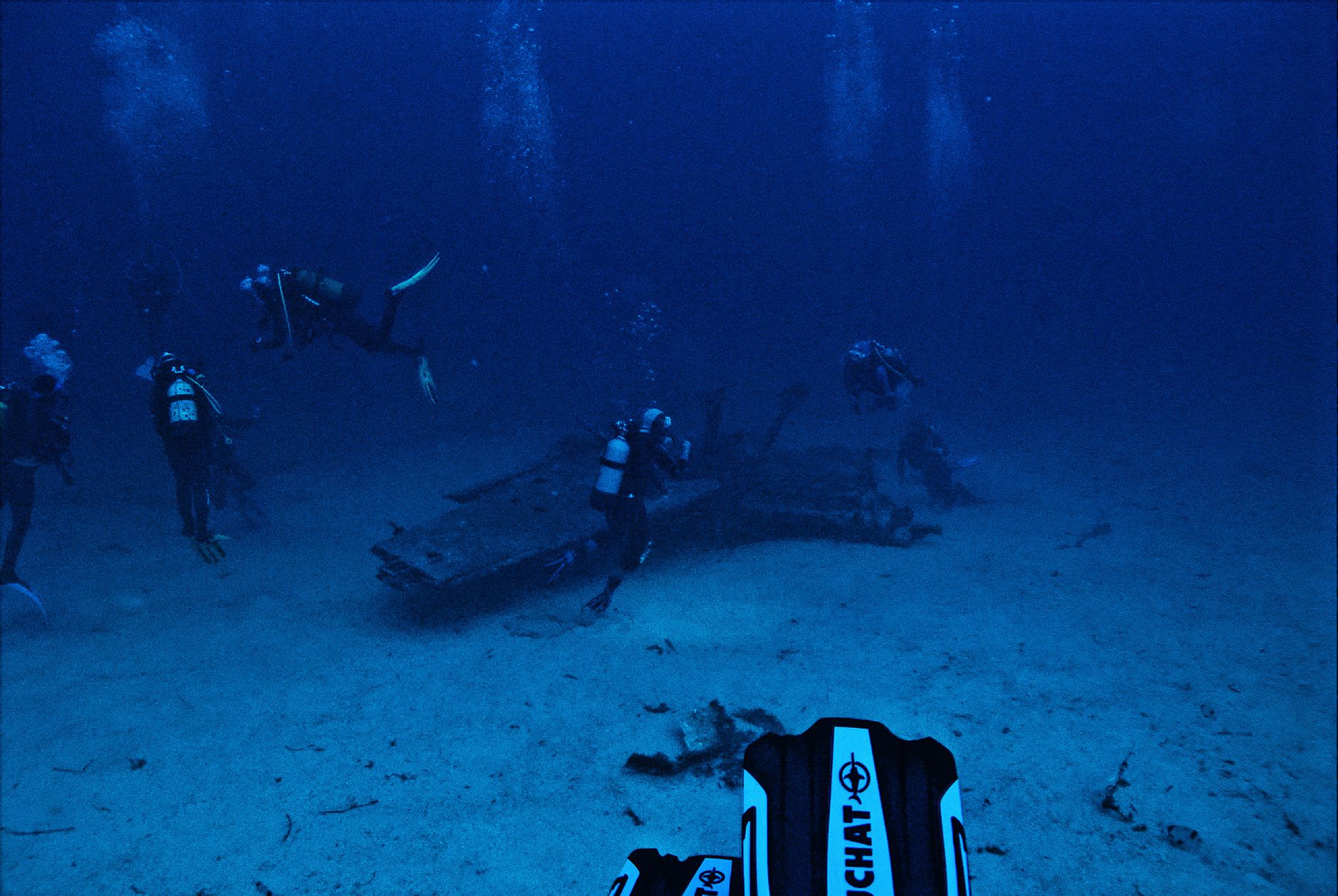
Professional dive operators ensure safe, enjoyable experiences in Tortola. Road Town hosts the majority of dive shops and training facilities. These businesses employ certified instructors and maintain modern equipment. Most operators follow strict safety protocols and dive regularly to the island's premier sites.
Dive BVI operates from a waterfront location in Road Town. The facility offers certification courses, daily boat dives, and equipment rentals. Experienced instructors teach all certification levels. The shop maintains a fleet of dive boats suitable for different sea conditions. Staff members speak multiple languages and work with international divers daily.
Blue Water Divers provides full-service diving operations from Road Town. Their instructors hold instructor-level certifications and decades of combined experience. The facility rents complete diving gear or single items. Daily dive schedules include morning and afternoon departures. Equipment is regularly serviced and replaced.
Underwater Safaris specializes in small group dives limited to six divers per boat. This approach provides personalized attention and flexible site selection. The operators choose dive sites based on daily conditions. You'll dive with experienced guides who know the reefs intimately. The shop accepts walk-in divers and advanced bookings.
Tortola Scuba Centre offers courses, guided dives, and equipment sales. The facility sits centrally in Road Town near food-restaurants and shops. Staff assist divers with site selection and dive planning. The center rents underwater cameras for capturing photos and videos. Night dives are available during certain seasons.
Contact information for these operators is available through the Tortola Tourism Board website. Most shops open at 8 AM and close by 5 PM daily. Early bookings ensure spot availability during peak season. Many operators offer discounts for multi-day dive packages or group bookings.
PRO TIP: Email dive operators before your trip with your certification card details and experience level. They'll prepare equipment and suggest ideal sites. This ensures a smooth check-in process and maximizes your time underwater.
What You Will See Underwater in Tortola
Tortola's underwater world teems with remarkable marine life. Tropical fish species number in the hundreds. Coral formations create stunning landscapes. Larger creatures like sea turtles and sharks appear regularly. You'll witness an active ecosystem thriving beneath the surface.
Colorful reef fish fill every dive site. Parrotfish crunch coral throughout the day, creating sand. Queen angelfish display yellow and blue patterns among the reefs. Trumpet fish hide among coral branches waiting for prey. Schooling jacks create moving walls of silver as they hunt. Stoplight parrotfish change colors depending on day and night behavior.
Sea turtles appear frequently around Tortola. Green sea turtles graze on seagrass beds in shallow areas. Hawksbill turtles hunt sponges on the reef. Loggerhead turtles occasionally visit deeper sites. These gentle giants show little fear of respectful divers. Photography opportunities abound when you encounter these majestic animals.
Rays glide across sandy bottoms searching for food. Southern stingrays prove most common around Tortola. Spotted eagle rays occasionally school in groups. Manta rays visit during certain seasons. These creatures demonstrate intelligence and curiosity toward divers. Observe from a distance and avoid touching or chasing rays.
Sharks inhabit all Tortola dive sites. Caribbean reef sharks patrol deeper areas. Nurse sharks rest on sandy bottoms during the day. Blacktip reef sharks hunt in shallow water. These creatures avoid humans and rarely approach divers. Shark attacks remain extremely rare in Tortola.
Coral formations display incredible diversity. Brain corals grow massive over decades. Elkhorn and staghorn corals branch toward the surface. Soft corals sway with current movements. Sea fans filter plankton from the water. Anemones host colorful fish among their tentacles. The coral systems provide food and shelter for countless other creatures.
Crustaceans hide throughout the reef structure. Lobsters shelter in crevices during daytime. Spiny crabs hide under rocks and debris. Cleaner shrimp perform grooming services for fish. Mantis shrimp display remarkable colors and hunting abilities. These small creatures exhibit fascinating behavior for observant divers.
Best Time To Dive in Tortola

Tortola offers excellent diving year-round, but certain periods excel. December through May represents the prime diving season. Water temperatures range from 24 to 26 degrees Celsius during winter months. Visibility remains exceptional, often exceeding 100 feet. Calm seas occur most frequently during this window. Tourist crowds peak during January and February.
The months of December, January, February, March, April, and May provide ideal conditions. Average water temperatures reach 28 degrees Celsius overall. Cool season months bring slightly cooler water but superior visibility. Trade winds provide steady breezes that calm sea conditions. Rainfall remains minimal during these months.
Summer diving from June through November brings warmer water temperatures. However, afternoon thunderstorms develop frequently during these months. Visibility sometimes drops to 40 or 50 feet after storms. Occasional tropical storms and hurricanes can occur from August through October. These months draw fewer tourists and offer better prices.
Hurricane season runs June through November officially. Most storms form in August, September, and October. Your travel insurance should cover hurricane-related cancellations. Local operators monitor weather closely and reschedule dives as needed. Tortola's location south of the typical hurricane path means fewer direct impacts compared to other Caribbean islands.
Plan your trip at least two months in advance during peak season. This ensures availability at popular dive sites. Booking early provides better hotel and flight options. You'll also qualify for early-bird discounts at some operators. Last-minute trips work better during summer and early fall months.
Consider visiting during the shoulder seasons of May and November. You'll experience good weather with fewer crowds. Prices drop compared to peak season rates. Water temperatures remain comfortable for extended dive days. These months offer the best value for budget-conscious divers.
Frequently Asked Questions
What Certification Do I Need To Scuba Dive in Tortola?
Most dive sites in Tortola require Open Water certification for independent diving. This certification typically takes three to four days to complete. Operators accept certifications from PADI, SSI, NAUI, and other major agencies. If you're not certified, discovery dives let you experience scuba with instructor supervision. Many visitors complete certification at home before traveling to maximize diving time.
Is Tortola Scuba Diving Safe for Beginners?
Yes, Tortola scuba diving is very safe for beginners. The island offers ideal conditions for learning divers. Warm water temperatures and calm sites reduce stress. Professional instructors outnumber inexperienced divers significantly. Dive operators follow strict safety protocols. Discovery dives and certification courses cater specifically to newcomers. Thousands of first-time divers successfully begin their diving journeys in Tortola annually.
How Much Does Scuba Diving Cost in Tortola?
Dive shop pricing varies but remains competitive throughout the island. Discovery dives typically cost less than full boat dives. Open Water certification courses range based on location and duration. Multi-day packages offer better value than single dives. Equipment rental fees apply if you don't own gear. Prices fluctuate seasonally, with peak season commanding premium rates. Contact operators directly for current pricing information.
Can I Snorkel If I Don't Have Scuba Certification?
Absolutely. Snorkeling requires no certification and offers excellent Caribbean experiences. Tortola provides outstanding snorkeling at numerous beach-accessible locations. You only need a mask, snorkel, and fins to begin exploring. Many dive shops and tour operators offer snorkeling trips to prime locations. Snorkeling costs significantly less than scuba diving and requires minimal equipment investment.
What Should I Pack for a Diving Trip To Tortola?
Pack a rash guard, swimsuit, and light clothing for the warm climate. Bring reef-safe sunscreen to protect marine ecosystems. A towel and waterproof bag protect your belongings at the beach. Seasickness medication helps if you're prone to motion. Underwater camera equipment suits photographers. Bring your dive certification card if already certified. Light rain jacket helps during tropical showers. Comfortable walking shoes suit Road Town's uneven streets.