allisles.com
Tortola
allisles.com
Tortola
Tortola: Complete Caribbean Travel Guide
Visa Free
Last updated:
Quick Facts
- Visa Required: No (visa free for most nationalities)
- Currency: US dollar (USD)
- Language: English
- Best Months: December, January, February, March, April, May
- Average Temperature: 28°C (82°F)
- Airport: Terrance B. Lettsome International Airport (EIS)
About Tortola
Tortola is the largest island in the British Virgin Islands, located in the Lesser Antilles. The island covers 55 square kilometers and is home to approximately 25,000 people. A Tortola overview reveals one of the Caribbean's most attractive sailing destinations. The island sits at coordinates 18.4167 degrees north and 64.6167 degrees west in the Atlantic.
The capital, Road Town, serves as the main hub for commerce and tourism. You'll find colorful buildings, local markets, and friendly residents throughout the town. English is the official language, making communication easy for most visitors. The island uses the US dollar as currency, which simplifies transactions for American travelers.
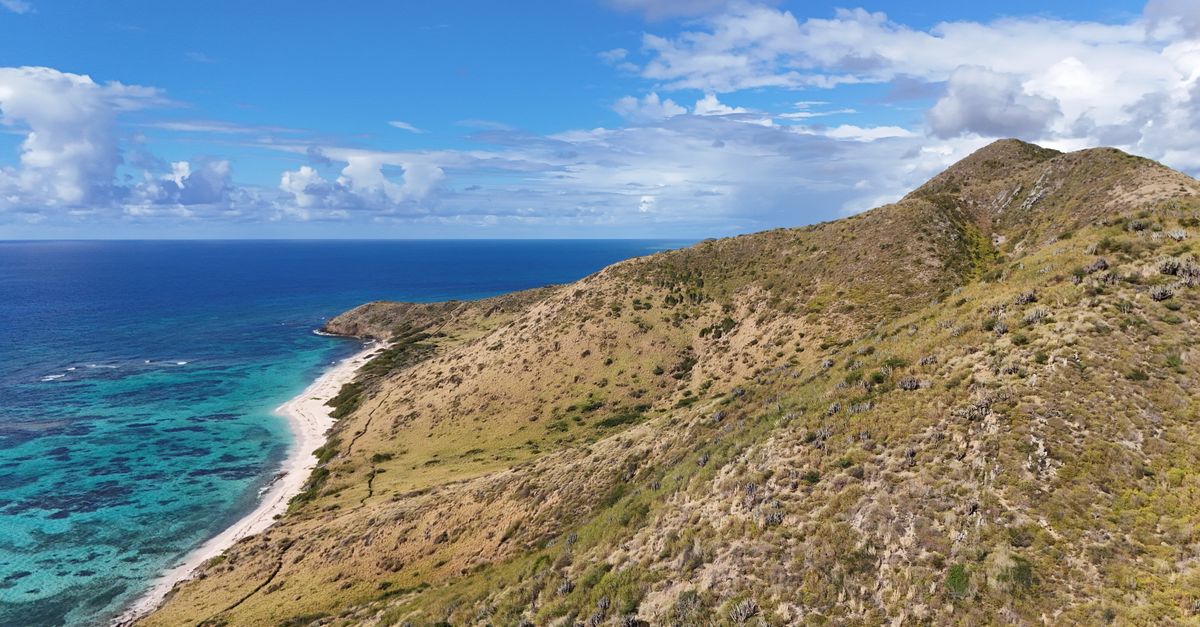
Tortola boasts rugged volcanic peaks and calm anchorages. Sage Mountain, the highest point, rises 521 meters above sea level. The mountain offers hiking trails with panoramic views of neighboring islands. Dramatic cliffs meet white sand beaches around the coastline.
The island maintains a relaxed Caribbean pace. You won't find mega-resorts or crowded tourist traps here. Instead, Tortola offers authentic island living mixed with excellent sailing infrastructure. The BVI citizenship reflects British traditions alongside American convenience.
PRO TIP: Exchange rates fluctuate, but USD works everywhere on Tortola. Bring some cash because not all small shops accept credit cards.
Why Visit Tortola

Best forsailorsadventure seekerscouplesfamiliesand travelers seeking authentic Caribbean culture
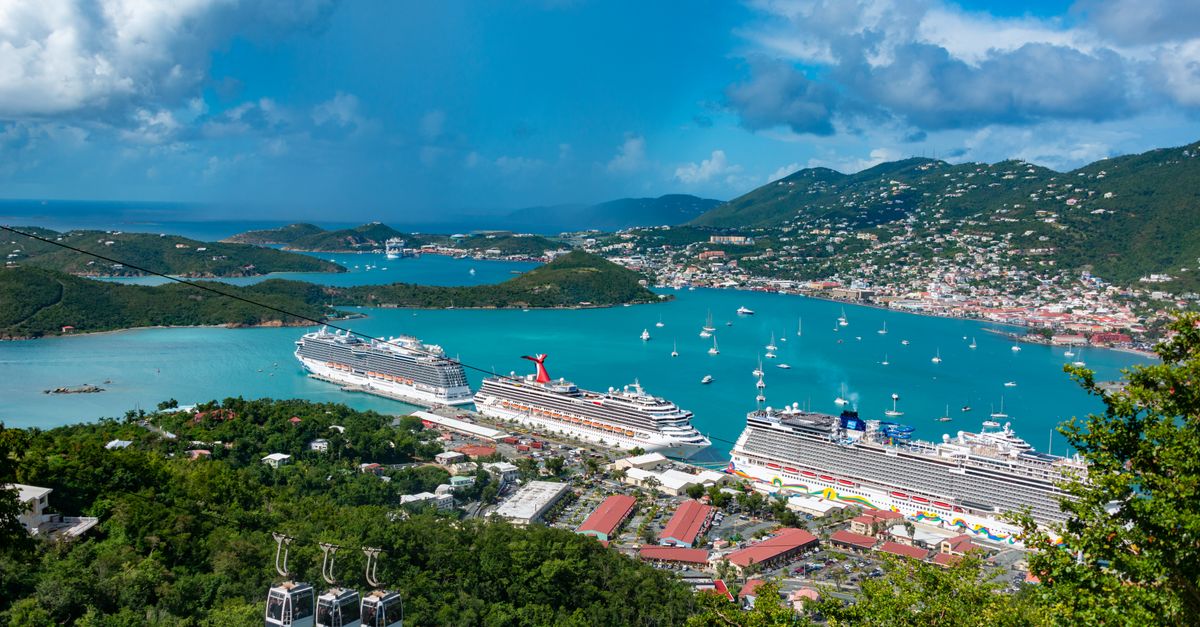
Tortola stands out as a world-class sailing destination. The Sir Francis Drake Channel separates Tortola from neighboring islands. This natural waterway provides calm, protected waters perfect for sailing. Hundreds of boats anchor in these turquoise bays daily.
Water activities dominate the Tortola experience. Scuba diving sites include the RMS Rhone, a famous shipwreck. The wreck sits 20 meters underwater and attracts experienced divers. Snorkeling opportunities exist at numerous beaches and reef areas. Swimming, paddleboarding, and kayaking round out the water activities.
Anegada Island lies just north of Tortola. This low-lying island features pristine beaches and excellent snorkeling. Most visitors take a day trip via ferry to explore Anegada's remote beaches. The journey takes about 30 minutes.
Beach hopping reveals Tortola's coastal variety. Cane Garden Bay features calm waters and waterfront food-restaurants. Long Bay offers a wide sandy stretch with fewer crowds. Brewers Bay provides dramatic cliffs and turquoise water. Each beach has distinct character and appeal.
The local food scene reflects Caribbean flavors with fresh seafood. Restaurants serve conch salad, grilled fish, and island specialties. Pusser's Rum is the local spirit, produced on the island for decades. Local markets sell fresh tropical fruits and vegetables daily.
Tortola Overview: Geography and Climate
Tortola experiences a tropical climate year-round. Average temperatures hover around 28 degrees Celsius throughout the year. Trade winds keep the islands comfortable despite tropical heat. The dry season runs from December through April.
The island's interior features lush vegetation and verdant hillsides. Rainfall supports dense tropical forests in elevated areas. Drought-resistant vegetation covers the drier coastal plains. The landscape shifts dramatically from beach to mountain within minutes.
Hurricane season runs from June through November. Hurricanes are possible but uncommon. The islands sit south of the main hurricane belt. Most visitors avoid June through November due to rain and storm risk.
The Anegada Passage separates Tortola from the Virgin Islands to the west. This shallow strait holds strategic importance for sailing routes. Nicholas Passage lies to the east. These geographic features shape local sailing conditions and weather patterns.
PRO TIP: Pack reef-safe sunscreen because coral reefs surround many beaches. Regular sunscreen damages these delicate ecosystems.
Tortola for Families

Best forfamilies with children of all ages seeking safeaccessible Caribbean experiences
Tortola welcomes families with practical amenities and safe infrastructure. English-speaking locals make communication straightforward. The island feels secure, and violent crime against tourists is rare. Roads connect major areas, though some mountain roads are narrow.
Children enjoy beach time without major hazards. Most beaches have calm waters near shore. Lifeguards operate at popular swimming spots during peak season. Coral reefs require water shoes to protect feet, but snorkeling is accessible.
Sage Mountain National Park offers family-friendly hiking. The main trail takes about 45 minutes to complete. Kids ages eight and up typically manage the elevation gain. The summit view rewards the effort with 360-degree island vistas. The park entrance is near Chalwell in the island's interior.
Ferry trips to nearby islands provide adventure. The ferry to Virgin Gorda takes 30 minutes and costs minimal fees. Children find the boat ride exciting. The Baths at Virgin Gorda feature enormous granite boulders forming natural pools that captivate kids.
Local food suits family preferences. Pizza, burgers, and seafood appear on most restaurant menus. Fresh tropical fruits are available everywhere. Ice cream shops operate in Road Town and Cane Garden Bay. Grocery stores stock familiar international brands alongside local products.
Accommodations range from simple guesthouses to family resorts. Many offer kitchenettes for meal preparation. Villa rentals provide flexibility for families needing space. Beach hotels cluster around Cane Garden Bay and Long Bay.
Tortola for Couples
Best forromantic getawayshoneymoonersand couples seeking relaxation and adventure
Tortola delivers romance without pretension. Sunset views from hillside restaurants showcase stunning colors. The calm Caribbean Sea provides a peaceful backdrop. Quiet beaches offer privacy and intimacy.
Sailing experiences create memorable couple moments. Many operators offer private or small-group charters. A day sailing to nearby islands combines adventure and togetherness. Swimming in secluded bays feels exclusive and romantic.
Dinner options range from casual beachfront spots to upscale dining. Waterfront restaurants serve fresh seafood with ocean views. Local chefs incorporate island ingredients into creative dishes. Evening meals here feel special without excessive formality.
Spa services exist at several resorts and private spas. Couples massages are available by advance booking. Traditional Caribbean treatments incorporate local oils and techniques. Many spas offer beachfront or garden settings for relaxation.
Hiking to scenic viewpoints creates shared adventure. Mount Healthy National Park features a restored sugar plantation. The hike offers history and panoramic vistas. The climb takes 30 minutes and suits most fitness levels. Couples enjoy the achievement and views together.
Budget travelers find excellent villa rental options. Off-season rates (May through November) offer substantial savings. Guesthouses provide affordable accommodations without sacrificing comfort. Cooking meals in villa kitchens reduces expenses while adding local grocery shopping experiences.
Luxury travelers find boutique resorts and private villa services. Personalized concierge services arrange custom experiences. Upscale accommodations feature exceptional amenities and privacy. Fine dining establishments cater to sophisticated palates.
PRO TIP: Book accommodations directly with properties for better rates than booking sites offer. Many small hotels provide better service when you deal directly.
Tortola for Solo Travelers
Best forindependent adventurersbackpackersand travelers seeking connection and exploration
Solo travelers feel safe and welcome on Tortola. The island has low violent crime rates. Locals are genuinely friendly and helpful to visitors. English communication removes language barriers. Tourist infrastructure supports independent exploration.
Hostels and budget guesthouses facilitate meeting other travelers. Common areas encourage conversation and shared experiences. Group activities and tours connect solo visitors with others. This social infrastructure prevents loneliness.
Public transportation via local buses costs minimal fees. Buses run throughout the day on main routes. The system is informal but functional. Asking locals provides route guidance. Car rentals are affordable for independent exploration.
Day tours organized through tour operators offer social opportunities. Snorkeling excursions typically include 10 to 20 people. Sailing charters accommodate solo travelers at reasonable rates. Many tours include hotel pickups, simplifying logistics.
Budget dining options exist throughout the island. Local restaurants serve hearty meals at moderate prices. Eating at the counter facilitates conversation with locals and other travelers. Grocery stores allow self-catering on tight budgets.
Beaches are accessible via public transportation or short walks. Popular spots like Cane Garden Bay attract diverse visitors. Swimming solo feels safe in populated areas. Early morning beach visits offer solitude and peaceful reflection.
Walking tours of Road Town reveal local culture. The town is compact and navigable on foot. Markets offer authentic local interactions. Shops sell genuine crafts and souvenirs from local artisans. Wandering leads to unexpected discoveries and conversations.
Best Time To Visit Tortola
The optimal travel season runs from December through May. These months feature dry weather and comfortable temperatures. Hurricane season (June through November) brings rain and storm risk. Most tourists visit during the winter months to escape cold weather elsewhere.
December marks the start of peak season. Prices increase and crowds grow noticeably. Weather is excellent with minimal rainfall. Holiday celebrations add festive atmosphere throughout the island.
January and February remain busy with cooler northern hemisphere visitors. These months experience the driest conditions. Temperatures average 28 degrees Celsius but feel cooler due to trade winds. Accommodation prices reach their highest levels.
March and April see fewer crowds and slightly lower prices. Weather remains favorable with warm days and cool evenings. Conditions support excellent sailing. These shoulder months offer value without sacrificing weather quality.
May marks the transition to summer. Rain becomes more frequent but doesn't dominate. Prices drop noticeably as fewer tourists visit. Temperatures warm slightly. Accommodations offer significant discounts.
June through September represent the quiet season. Rain occurs daily in afternoon showers. Humidity increases noticeably. Hurricane risk rises, though major storms are uncommon. Hotels offer 40 to 50 percent discounts. Only budget-conscious and weather-tolerant travelers visit during this period.
October and November receive occasional tropical storms. Rain is frequent but not constant. Crowds remain minimal. Prices stay low for cost-conscious travelers. Flying conditions can be turbulent during storm systems.
PRO TIP: Book Easter week in advance if traveling then. Spring break brings significant crowds despite higher accommodation costs.
Getting To Tortola
Terrance B. Lettsome International Airport (EIS) is the main entry point. The airport serves regional flights from neighboring Caribbean islands. International flights typically connect through San Juan, Puerto Rico or other regional hubs. The airport is small but efficient.
From North America, fly to San Juan first. Multiple daily flights connect San Juan to Tortola. The connecting flight takes about 30 minutes. Total travel time from mainland USA typically runs 5 to 8 hours.
Ferry service connects Tortola to St. Croix, St. John, and St. Thomas. Ferry travel takes 45 minutes to 2 hours depending on the route. This option suits visitors already in the US Virgin Islands. Ferry schedules change seasonally, so check current options.
Ferry service also connects to Jost Van Dyke, Anegada, and Virgin Gorda. These shorter ferries take 30 to 45 minutes. Daily service operates to major islands. Inter-island ferries are frequent and affordable.
Private boat access is possible for yacht owners. Customs and immigration processing happens at Port Purcell in Road Town. The clearing procedure takes 30 to 60 minutes. Adequate anchorages exist throughout the Sir Francis Drake Channel.
Ground transportation uses rental cars, taxis, and buses. Rental agencies operate at the airport. Rates are reasonable, though roads can be challenging. Taxis wait at the airport but cost more than rentals. Local buses are cheap but run on informal schedules.
Road Town airport transfers take about 20 minutes. The main road connects the airport to town. Traffic is light except during peak tourist hours. Accommodation staff can arrange pickups if you reserve in advance.
Frequently Asked Questions
Do I Need a Visa To Visit Tortola?
Most nationalities do not require a visa for Tortola. Citizens of the United States, Canada, the United Kingdom, and most European countries enter visa-free. The British Virgin Islands tourism entry policy determines eligibility. Your nationality and passport validity determine requirements. Visit the official BVI government website to confirm your specific situation. Standard entry requirements include a valid passport, proof of accommodation, and return travel arrangements.
What Is the Best Way To Get Around Tortola?
Renting a car provides maximum independence for exploring the island. Daily rental rates are moderate. Roads are generally good but some mountain routes are narrow and steep. Driving is on the left side of the road. Taxis are available but expensive for frequent travel. Local buses are the cheapest option but run on informal schedules. Walkable areas include Road Town and beachfront communities. Many hotels arrange transportation or provide shuttle services for guests.
What Activities Can I Do in Tortola Besides Beach Days?
Scuba diving and snorkeling rank among the top activities. The RMS Rhone wreck is a world-famous dive site. Sailing charters explore calm waters and nearby islands. Hiking trails include Sage Mountain National Park and Mount Healthy. Local markets and Road Town shops offer cultural exploration. Island ferries connect to Virgin Gorda, Jost Van Dyke, and Anegada. Fishing expeditions depart daily from coastal towns. Water sports include paddleboarding, kayaking, and windsurfing.
How Much Money Should I Bring To Tortola?
Budget varies based on travel style and season. Budget travelers spend 60 to 100 USD daily on accommodations and food. Mid-range travelers spend 150 to 250 USD daily. Luxury travelers spend 300 USD or more. Peak season (December through April) costs more than off-season. Accommodations represent the largest expense. Meals at casual restaurants cost 10 to 20 USD. Dining at upscale restaurants costs 40 to 80 USD per person. Water activities and tours range from 50 to 150 USD per person.
What Is the Weather Like During Hurricane Season?
Hurricane season officially runs from June through November. Tortola sits south of the main hurricane belt, so major storms are uncommon. June through August experiences daily afternoon showers. Rain typically lasts 30 to 60 minutes. September and October have the highest storm risk. Humidity increases during these months. Despite rain, many days remain sunny. Travel insurance is recommended for hurricane season visits. The island rarely experiences direct hurricane impacts. Weather information is readily available from local media and hotel staff.
Related Pages on Tortola
Islands Near Tortola